Advertising in Switzerland is still riddled with stereotypes and racial diversity is nearly non-existent.
A new survey suggests half of commercials in the country use a stereotype linked to gender.
The Protocole Gisler was set up to keep tabs on representation of people in advertising and marketing three years ago.
It reveals a popular male image is that of a competent professional or a figure they identify as ‘The Funny Guy’.
Whereas women are shown to be the person who takes care of everything else. There is also a strong showing of women battling food cravings.
Non-white people appear in around a quarter of all adverts, but even then, tend to be in a role that could be described as an extra.
The report concludes advertising in Switzerland still has a long way to go to counter stereotypical representations – but does note adverts aimed at younger audiences do show greater diversity.
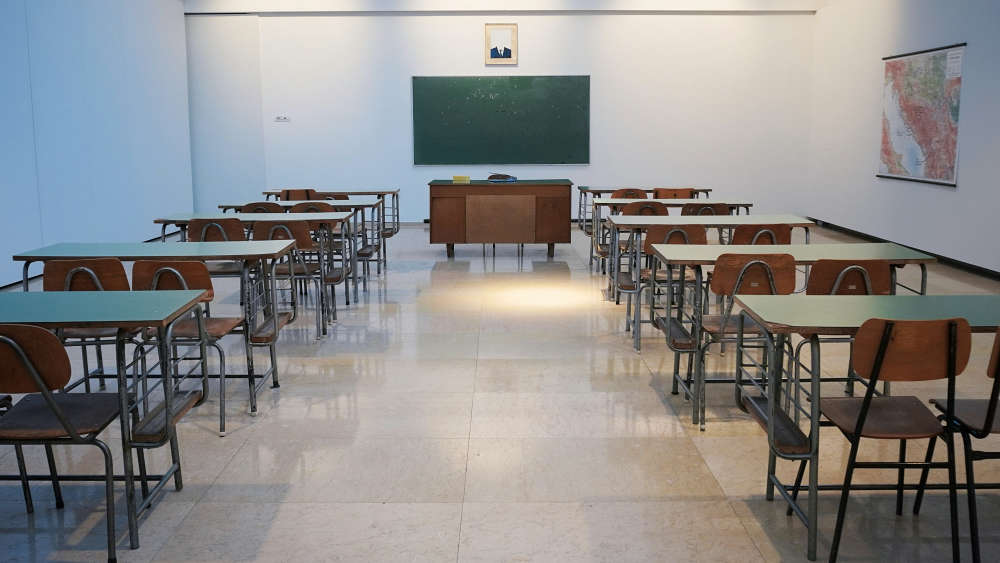
Around 200 students blocked Annecy's lycée Charles-Baudelaire yesterday morning, the latest flare-up in a wave of French school protests over learning conditions
Switzerland's young apprenticeship graduates are stuck in an AI paradox: employers reject them for lack of experience, while artificial intelligence has automated the entry-level tasks that once built that experience
Thousands of Swiss phone users have received a genuine UBS activation code by SMS overnight — the first stage of what the bank describes as a new, multi-step scam
Rising fuel prices are affecting frontaliers in the Chablais, where the public transport network isn’t adequate enough for most workers to leave the car at home


 More drug related violence in Geneva
 More school protest disruption in Haute Savoie
 AI changes employment for young people
 New scam alert
 Snow returns to Zermatt
 Fuel prices an issue for many frontaliers