Switzerland is bracing for possible fuel shortages after the closure of the Strait of Hormuz disrupted global oil supplies.
Authorities warn that kerosene could become scarce within weeks, raising concerns for air travel ahead of the summer season.
The Federal Office for National Economic Supply says the last tankers that passed through the strait are now arriving in Europe, with no new shipments expected.
Switzerland could release its strategic reserves if needed, which cover several months of demand.
Possible measures include calls for voluntary energy savings, reduced driving, and a shift to public transport. The government could also impose speed limits to cut fuel consumption.
The Green Party is also suggesting issuing the half price travel card for free, to try to persuade people to leave the car at home.
Officials say the situation is being closely monitored as the wider energy crisis unfolds.
Nearly half of Europeans, Switzerland included, breathed poor or very poor air over the first eight months of 2026, according to a new Copernicus report
The Council of States has agreed that European Union students at Switzerland's federal polytechnic schools should pay the same tuition fees as Swiss nationals


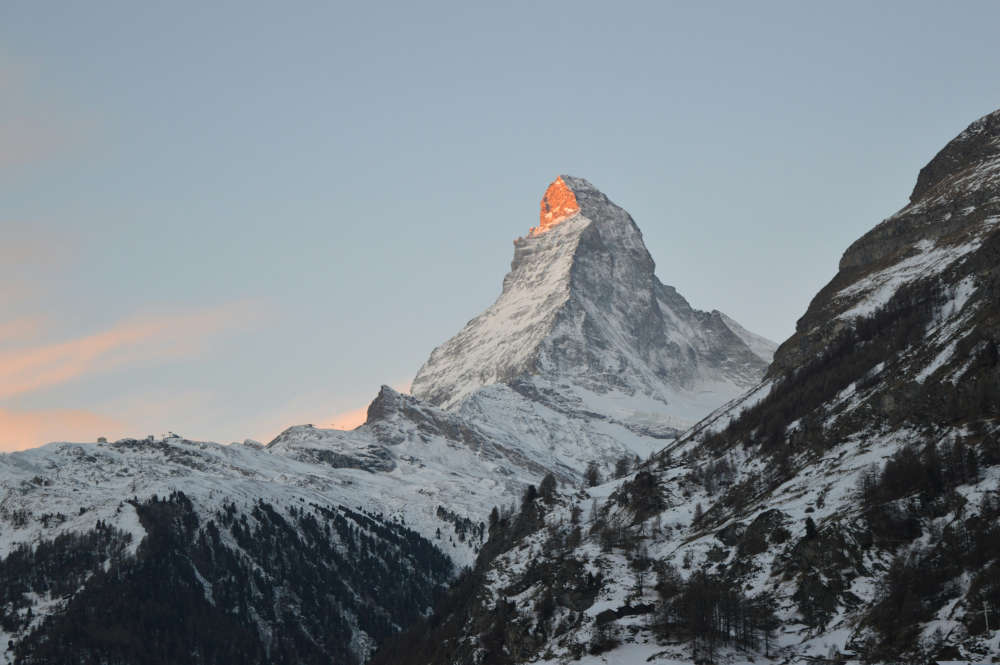 No snow on Matterhorn
 Decline in air quality this year
 Earthquake insurance remains optional
 New migrant health centre announced
 Tough wine sector finds something to celebrate
 Tuition fees new deal

