The Swiss food giant Nestlé is defending its actions in Russia after the company was singled out by the Ukrainian president, Volodymyr Zelenskyy for continuing to do business in the country, after so many other western brands had pulled out.
The president’s views were echoed by the prime minister, Denys Shmyhal, who says the company shows no understanding because paying taxes in a terrorist state means killing defenceless mothers and children.
Nestlé says that although it is continuing to supply some important food items – such as baby food, cereals and specialist pet foods, it’s not continuing as normal.
It says it has stopped all advertising in Russia, suspended all capital investment and exports out of Russia - with the exception of vital food to Commonwealth of Independent States countries.
It has stopped imports into Russia and has removed items like KitKats and Nesquik.
The company points out it employs around 7,000 people in Russia and has publicly supported the people of Ukraine, where it’s still operating and delivering food - it has condemned the invasion.
Several new streets in central Lausanne will drop to 30 kilometres per hour from 12 October, day and night, according to a letter the city has sent to affected residents
UBS shares jumped more than 3% on the Swiss exchange on Friday after a US news outlet reported the bank is weighing a merger with a foreign rival and a move of its head office
Cross-border French communes near Geneva have laid down their conditions for Cern's proposed 90.7-kilometre particle collider, warning they will not sign off without guarantees
The Council of States has rejected a popular initiative that would have let foreigners apply for citizenship after just five years, closing the parliamentary door on the biggest attempt in years to loosen one of Europe's strictest naturalisation regimes


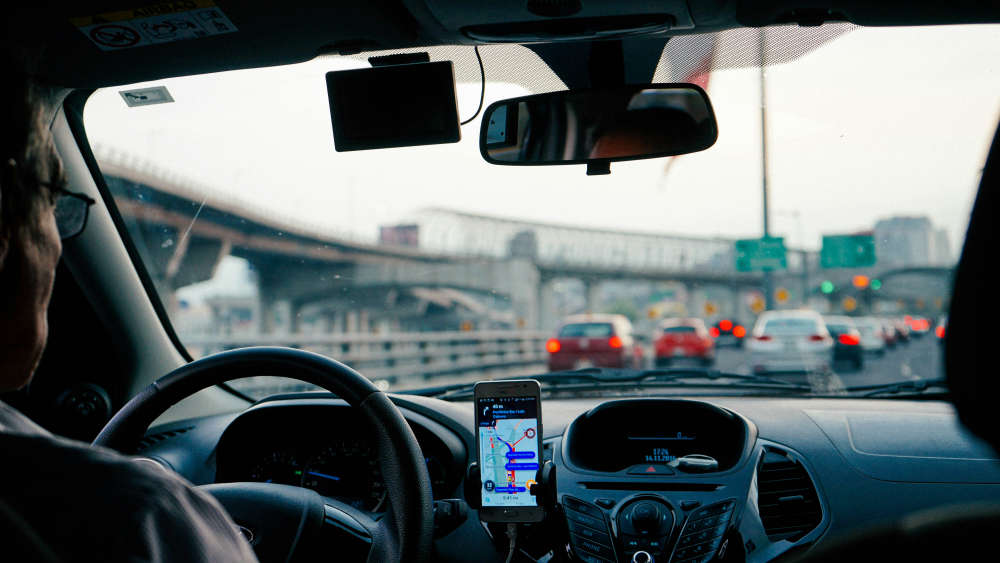 Speed limit decrease in parts of Lausanne
 Population increase forecast for Vaud
 UBS share price increases
 Warmer than average end to the month
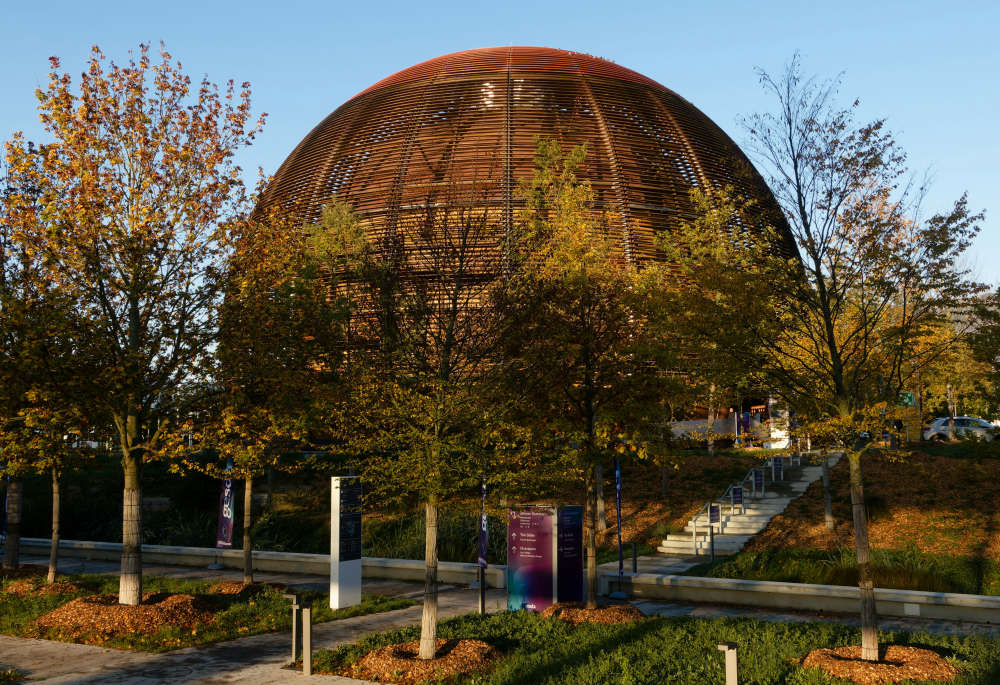 New CERN collider still under consideration
 Citizenship remains one of the hardest on continent

